
The version most people carry around
The popular picture has two beats. The Spanish arrive in 1532, the Inca empire falls, and a mountaintop city is either sacked or hurriedly abandoned. Centuries later an American professor climbs a ridge in the Andes and finds it waiting under the vines. Ask "why was Machu Picchu abandoned?" and most people answer with the first beat: the conquistadors did it.
Both beats are shakier than they sound. Nobody has produced evidence of a Spanish attack on the site, and the man credited with finding it in 1911 was led there by a local farmer, on a ridge where families were already growing crops. The timing is real, though. Machu Picchu did empty out around the years the empire collapsed, and the open question is what connects the two. A royal retreat fails differently from a city, so the answer starts with what kind of place this was.
What kind of place it was
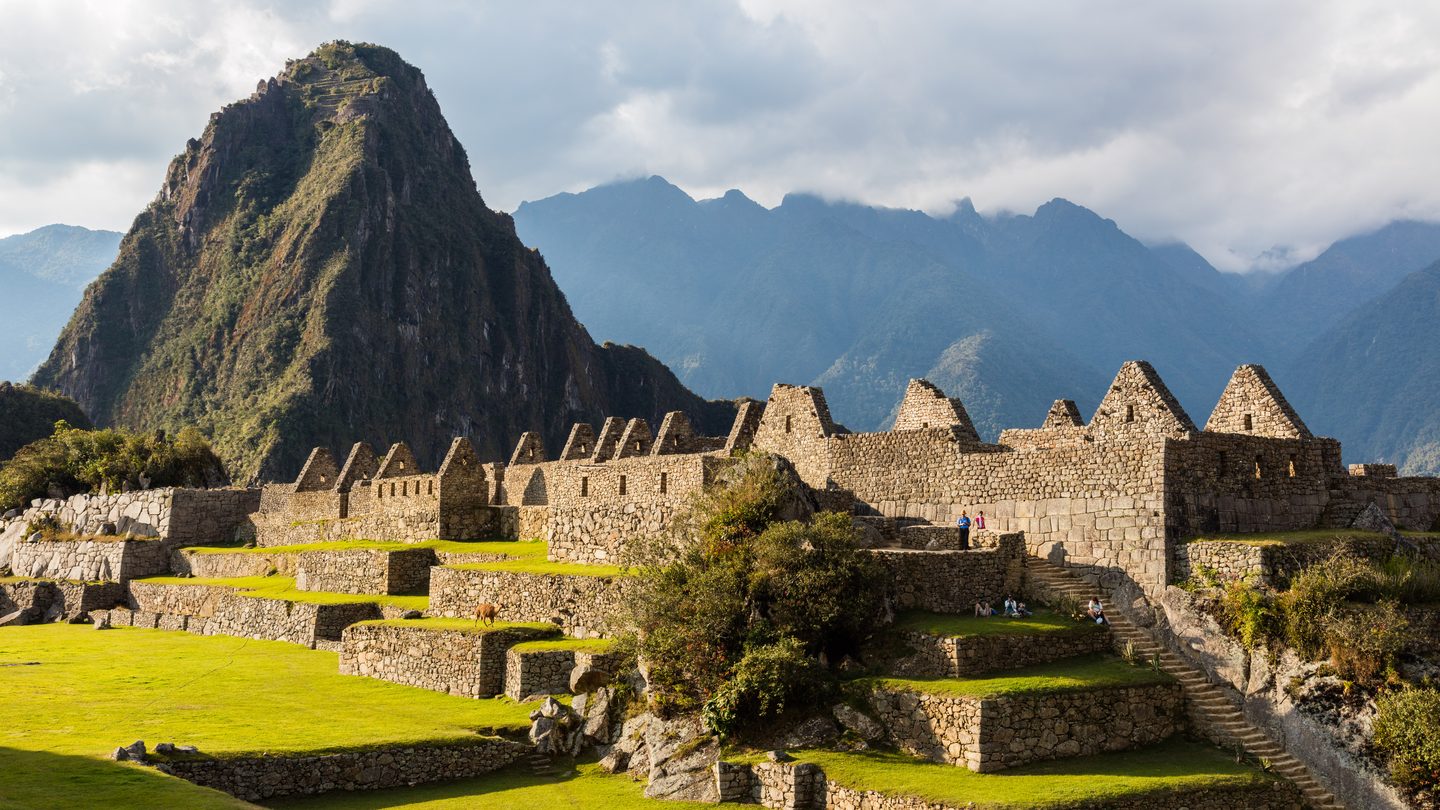
Scholars generally read Machu Picchu as a country estate built for the emperor Pachacuti, who ruled from 1438 to 1471 by the traditional chronology. It is estimated to date to around 1450, though Wikipedia's (checked 13 October 2026) summary of the scholarship is upfront that no contemporary written record confirms the connection. The palace complex is thought to have worked as a seasonal royal retreat, and it was not the kind of property that passed down the line of succession.
That matters for the abandonment question. Wikipedia's (checked 13 October 2026) summary gives an estimate of about 750 residents, most of them support staff called yanaconas who lived there permanently, and it is only an estimate. It also reports that burials recovered from the caves around the site, roughly 174 individuals, are interpreted as mostly belonging to those retainers of varied ethnic origins, not to the Inca elite. An estate like this produces little that its own occupants eat or use. It runs on labor, food and goods sent in through the imperial system, and it exists because the court wants it to.
Take away the court, or the system that feeds it, and the place has no reason to stay populated. That is the logic behind most modern explanations, and it is a reconstruction. The Inca left no written account of the site, so every version of this story is inferred from archaeology and from what happened elsewhere in the empire.
What the 2021 radiocarbon dates changed
For a long time the dates for Machu Picchu rested on colonial chronicles written by Spaniards decades after the events they describe. In August 2021 Richard Burger, Lucy Salazar and three colleagues published "New AMS dates for Machu Picchu: results and implications" in the journal Antiquity. They ran accelerator mass spectrometry on bone and teeth from 26 individuals, taken from burials that Yale's 1912 excavations recovered from cemeteries around the site.
The result was an occupation running from about AD 1420 to 1532. That starts roughly two decades before the textual sources, which tie the site to Pachacuti's rise in 1438. Yale's anthropology department summed it up as pushing the founding of the royal retreat back by at least twenty years, and noted that the data challenge an Inca chronology built largely on conquistador accounts.
Two cautions for anyone quoting the end date. Burial dates show when people lived and were laid to rest there. They cannot by themselves show the year the last resident walked away, and 1532 is the edge of the measured range, not a recorded moment of departure. What the dates do establish is a lifespan of roughly a century, and an end that falls in the same decade as the collapse of Inca rule. The same caution applies to much older monuments: the answer to whether Stonehenge is older than the pyramids flips depending on which phase of the monument is being dated.

The likelier chain: disease, a succession war, a broken supply line
Around 1527, give or take a few years, the emperor Huayna Capac died of what Dumbarton Oaks describes as an unknown disease, likely smallpox. The exhibit gives the range as 1524 to 1528. The European pathogen reached the Andes before the Spanish did, passed from community to community through ordinary contact. His chosen heir, Ninan Cuyuchi, died of the same illness before he could be enthroned.
The empty throne led to a civil war between two other claimants, Huáscar and Atahualpa. It was still going when Pizarro's men reached the Andes in 1532, and they found an empire already exhausted by wars of expansion, split by that fight, and dealing with an epidemic that kept returning.
Set that against a royal estate that depended on the court and on labor and food sent in from outside, and the two line up. Epidemics thin out the workforce. A dead emperor and a war between his sons remove the people who cared about keeping the estate going and interrupt the goods that reached it. Wikipedia's (checked 13 October 2026) account puts the abandonment in the mid-16th century, likely due to the collapse of Inca rule and disease following European contact, and adds that most residents may have died of smallpox introduced by travelers before any conquistador arrived.
Some popular accounts add a drought as a fourth cause. No study cited here supports it, so it stays out of the main chain. And nothing suggests a single evacuation day. A place like this more plausibly emptied over months or years as people died, left or were reassigned.
Where the Spanish were actually looking
The conquistadors did spend decades hunting an Inca holdout, just not this one. After the conquest, Manco Inca established a rump state, now called the Neo-Inca State, at Vilcabamba in the jungle northeast of Cusco. On 24 June 1572 a Spanish army under Martín Hurtado de Arbieto took the remote capital and captured its last ruler, Túpac Amaru, who was executed.
That campaign is the kind of documented, dated event that Machu Picchu lacks. Wikipedia (checked 13 October 2026) notes that in the late 16th century Spaniards in the area recorded local people talking about returning to a place called "Huayna Picchu," which suggests the site was not wholly forgotten. But a passing reference is a long way from a raid, and none of the sources checked for this article describes one.
Never lost, only overlooked
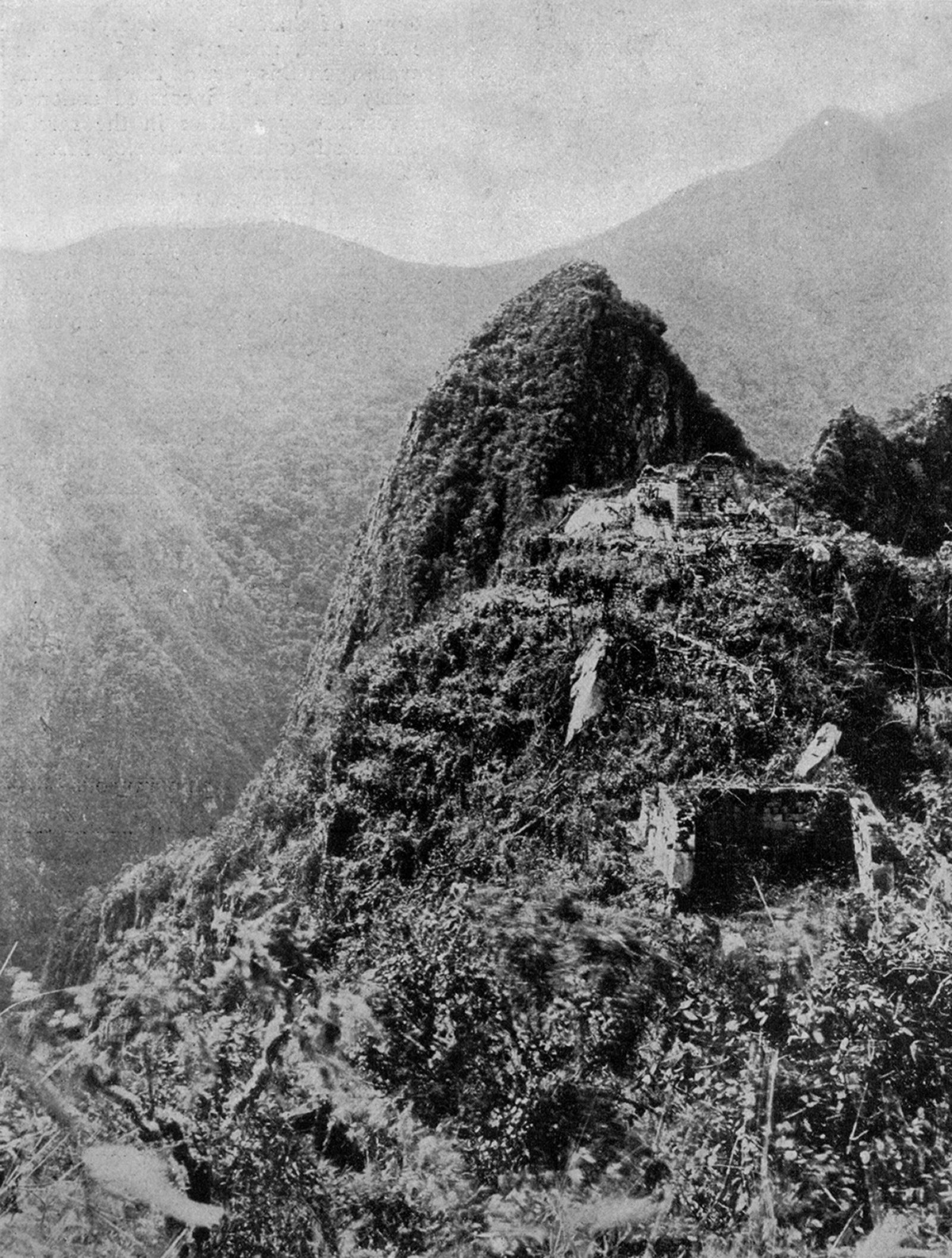
In July 1911 Hiram Bingham, a Yale lecturer, asked a farmer and innkeeper named Melchor Arteaga whether any ruins stood nearby. Arteaga said there were excellent ones on the mountaintop, and on 24 July he led Bingham up. Near the top they met two Quechua people, Richarte and Alvarez, who were farming some of the old terraces.
Bingham was not even the first outsider that decade. Peruvian explorer Agustín Lizárraga had reached the citadel in 1902 and left his name and the year in charcoal on the central window of the Temple of the Three Windows. Bingham found it there, and his field notes at first credited Lizárraga as the discoverer. By his 1952 book, Lost City of the Incas, he claimed the find himself.
Bingham also got the bigger question wrong for years. He had come looking for Vilcabamba, the last Inca capital. He concluded that Machu Picchu was Vilcabamba. That same year he had also seen the overgrown ruins at Espíritu Pampa without recognizing them as the capital. In 1964 the explorer Gene Savoy identified Espíritu Pampa as Vilcabamba, and archaeologists now accept that.
So the site was abandoned by the people who staffed it, known to locals afterward, and only lost to an international audience. The "Lost City of the Incas" label stuck anyway. It is one of the seven names on the 2007 New7Wonders list, and the brand has outlasted a fair amount of correction. Another winner on that list, the Taj Mahal, has its own gap between the popular picture and the record: visitors can enter it, but the real graves sit in a basement that opens once a year. The Colosseum, another name from that list, lost most of its fabric to quarrying and earthquakes, and the dates on which each part went run from a fire in 217 to a papal ban in 1749.